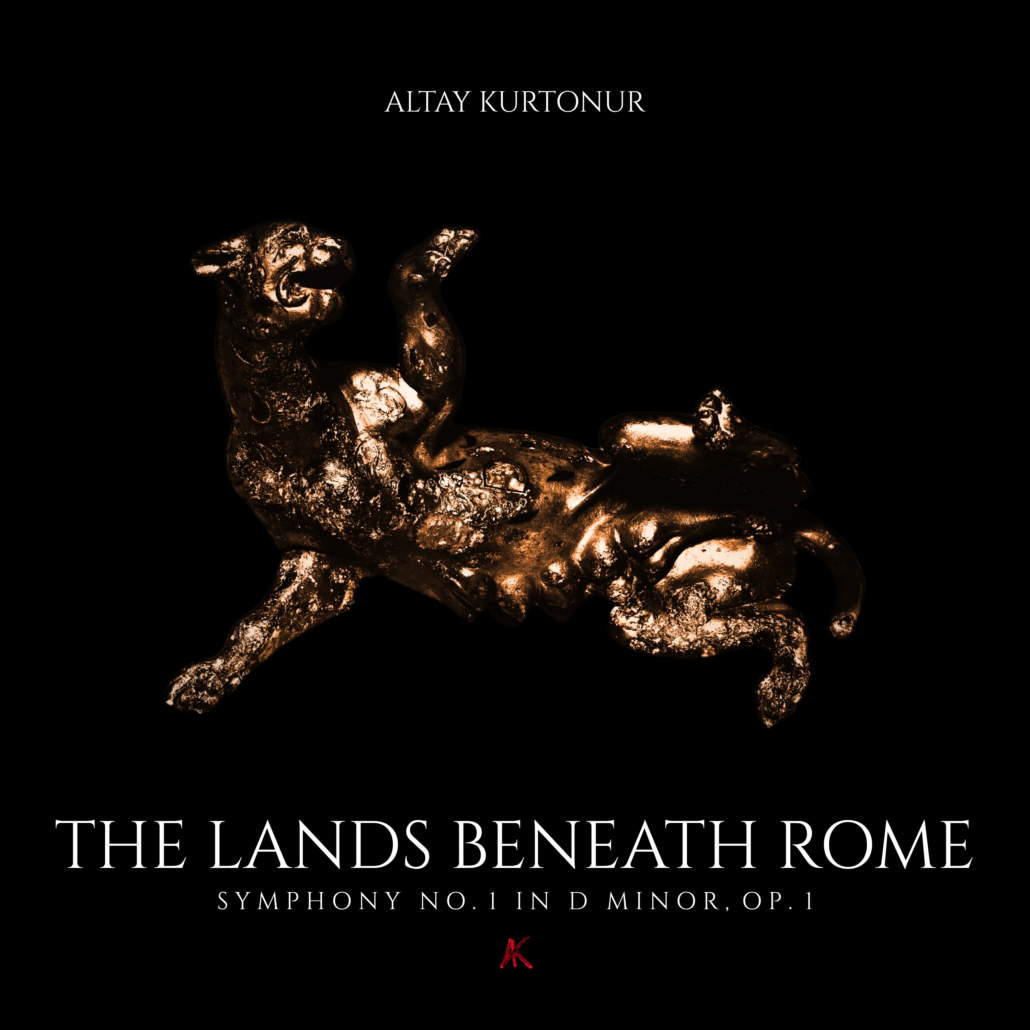
Symphony No.1, Op. 1 – Imperium Aeternum
Roma – A Symphonic Work Inspired by the First-Century Roman Empire
Roma is a symphonic work based on the geography, political structure, and cultural diversity of the 1st-century Roman Empire. The composition focuses on translating regional identity, imperial scale, and civilizational tension into orchestral form through thematic development, rhythmic architecture, and hybrid orchestration.
The work was composed over a seven-month period using a MIDI-based workflow inside Ableton Live. Rather than functioning only as a mock-up environment, the DAW was used as a compositional tool for orchestration design, sound layering, articulation shaping, timing control, and hybrid acoustic-electronic integration.
The symphony currently consists of the movements:
- Caput Mundi
- Nilus
- Transalpina
- Hesperia
- Judea
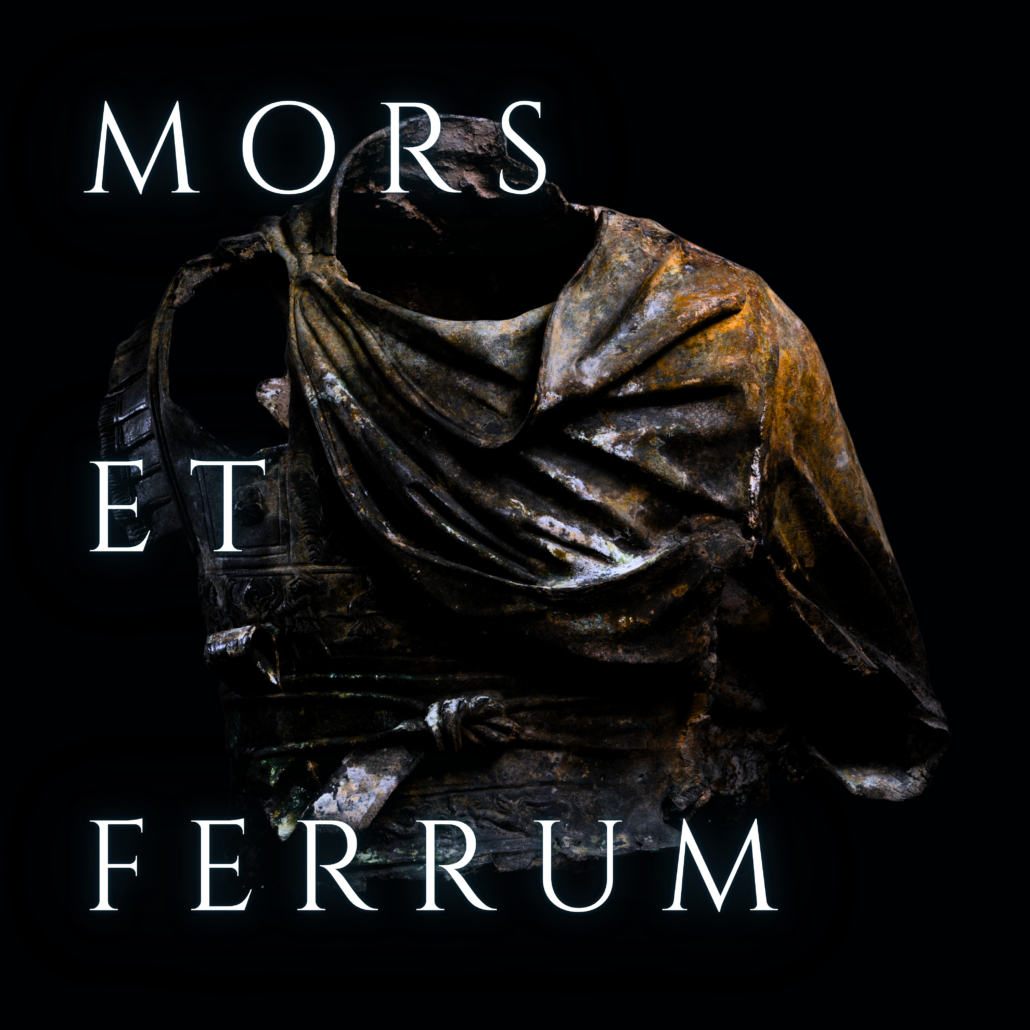
- Mors et Ferrum
- Anatolia
- Illae Terrae Punicae
- Sapientia Graecorum
Each movement is structured around a different regional and musical character while remaining connected through recurring motifs, harmonic relationships, and rhythmic transformations.
The compositional language combines symphonic writing with modern cinematic and textural techniques. Major influences include the orchestral density and tension writing of Dmitri Shostakovich, the hybrid layering approach associated with Hans Zimmer, the leitmotivic orchestral clarity of John Williams, and the rhythmic structures and ritualistic orchestration methods of Igor Stravinsky.
The score also incorporates elements derived from:
- Orthodox liturgical harmony
- Balkan rhythmic structures
- Jewish modal writing
- Anatolian melodic ornamentation
- Northern European textural minimalism
- Mediterranean folk traditions
A major technical focus of the project is regional differentiation through orchestration and rhythm rather than direct historical imitation. Each movement uses different interval structures, rhythmic behaviors, and textural densities to represent distinct geographic and cultural environments within the empire.
Examples include:
- fluid rhythmic motion and layered percussion in Nilus
- compressed melodic phrasing and harmonic tension in Judea
- asymmetric rhythmic structures in Transalpina
- modal ornamentation and pitch instability in Anatolia
- militaristic pulse fragmentation and mechanical rhythmic repetition in Mors et Ferrum
The orchestration combines traditional symphonic sections with processed textures, low-frequency reinforcement, ambient spatial design, and layered synthetic elements. The objective is not strict historical realism, but the creation of large-scale sonic architecture capable of representing imperial scale and continental diversity.
Harmony throughout the work alternates between modal systems, drone-centered structures, suspended tonal centers, and dense chromatic orchestration. Rhythmic development often avoids stable symphonic continuity in favor of interruption, displacement, and evolving metric pressure.
Although the work is historically inspired, the primary objective is not reconstruction. The symphony approaches Rome as a structural and psychological concept: a system built from coexistence, expansion, tension, integration, and eventual fragmentation.
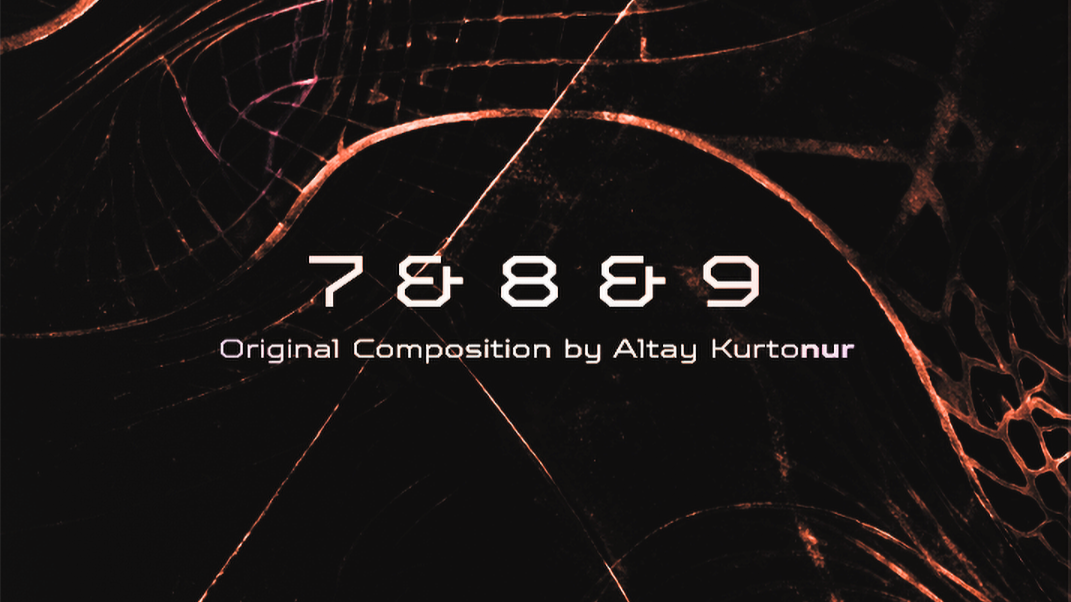
7&8&9
Original Composition Part of an ongoing collection. – Composed and produced by Altay Kurtonur Technical Details: Music Software: Ableton Live 10 + Cubase 14 VSTs/Instruments Used: Spitfire Albion ONE, live guitar and bass guitar recordings In this video, I created a composition in which rhythmic measures of 7, 8, and 9 are interwoven. I composed a hybrid piece that evolves through rhythms such as 7/8 and 9/8.
The Black Litany
Hybrid orchestral work built on layered structures, complex rhythm, and heavy tonal design. First piece from the collection. – Composed and produced by Altay Kurtonur – Technical Details: Music Software: Ableton Live 10 + Cubase 14 VSTs/Instruments Used: Spitfire Albion ONE, live guitar and bass guitar recordings
“All The Creeps” is an upcoming rock/avant-garde album by Altay Kurtonur
All The Creeps
Listen Now
Dive into the shadows where sound meets story—experience my latest compositions.
Play